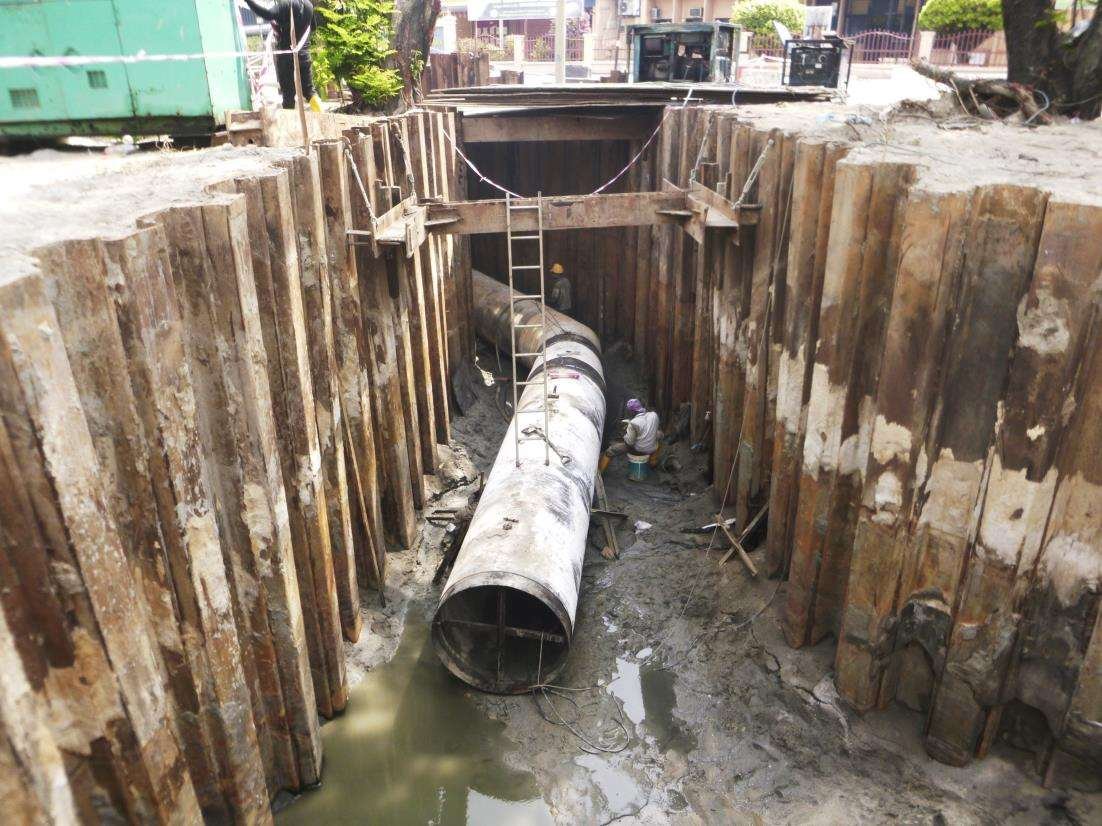
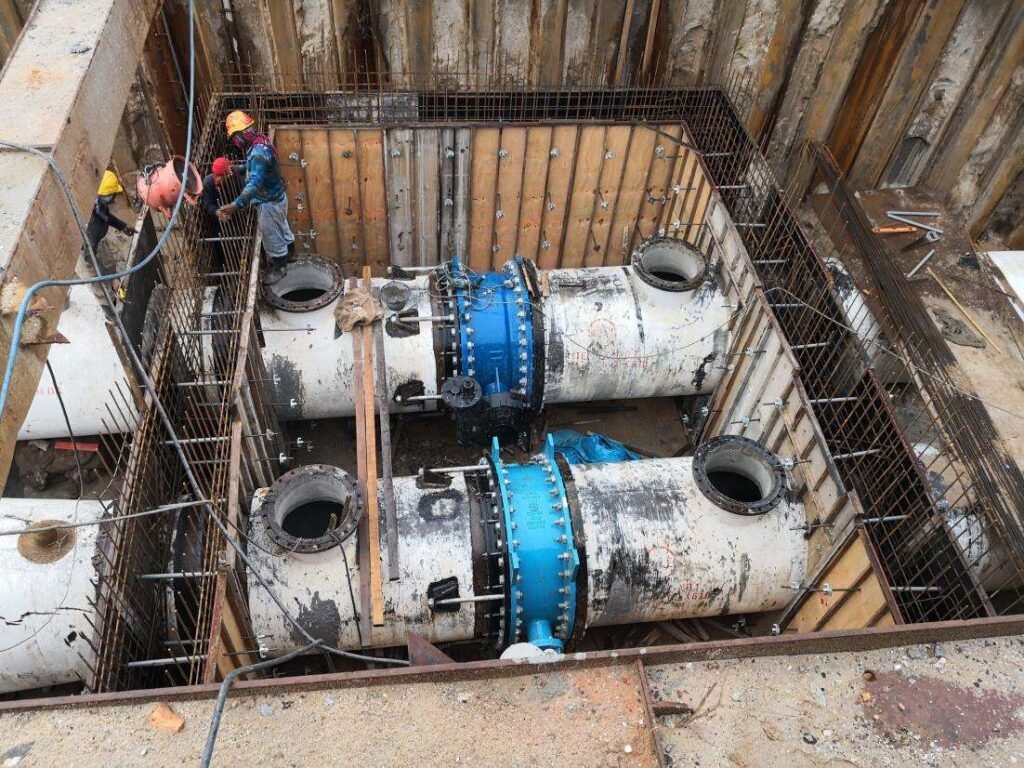
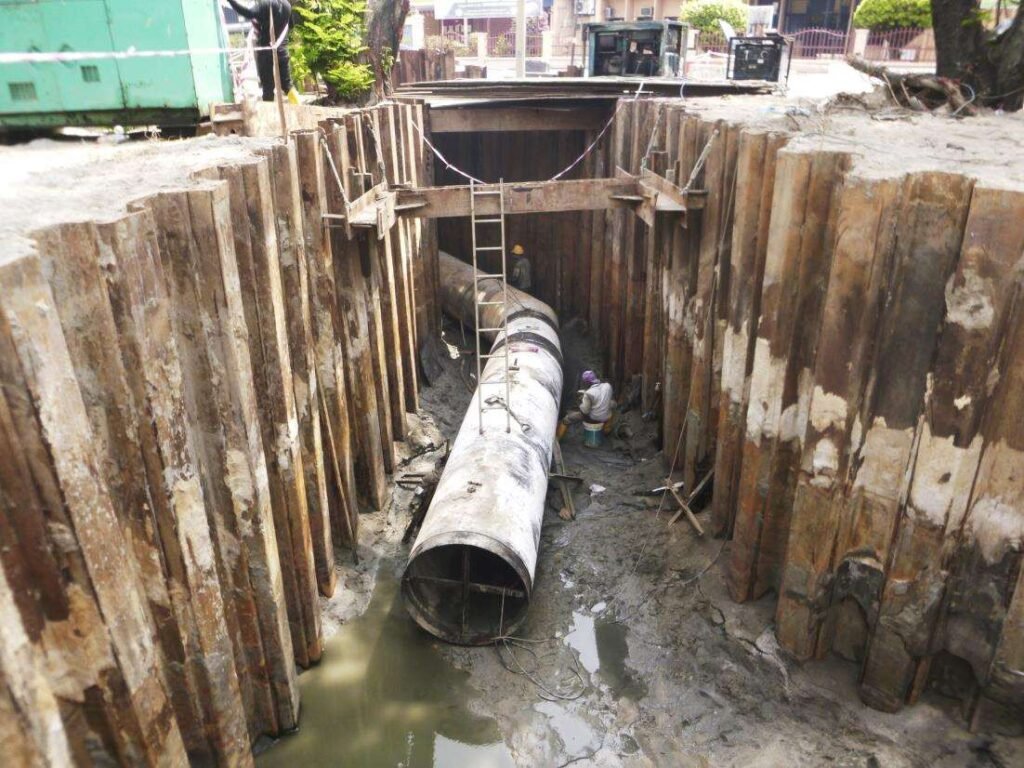
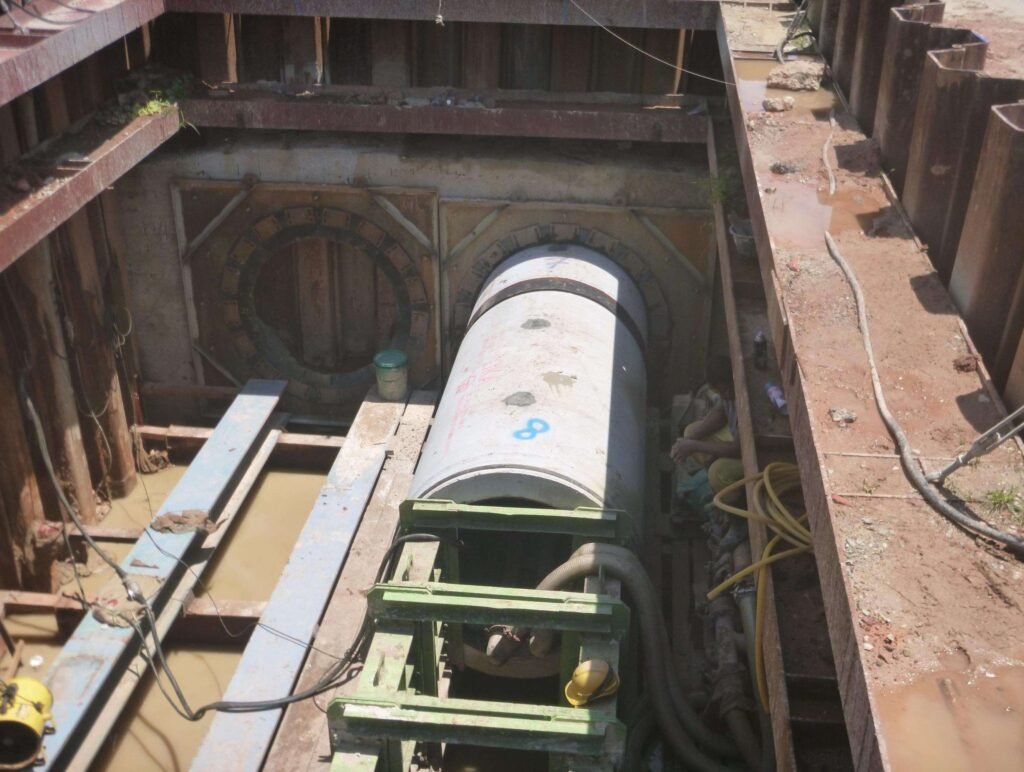
Sri Tanjong Bina Sdn. Bhd. provides sheet piling, bracing, and deep excavation works to support underground construction, infrastructure development, and foundation-related activities.
Our services are carried out in accordance with project requirements, site conditions, and safety considerations to ensure excavation stability and smooth project execution.
Our Works
We undertakes comprehensive earth retaining and excavation works
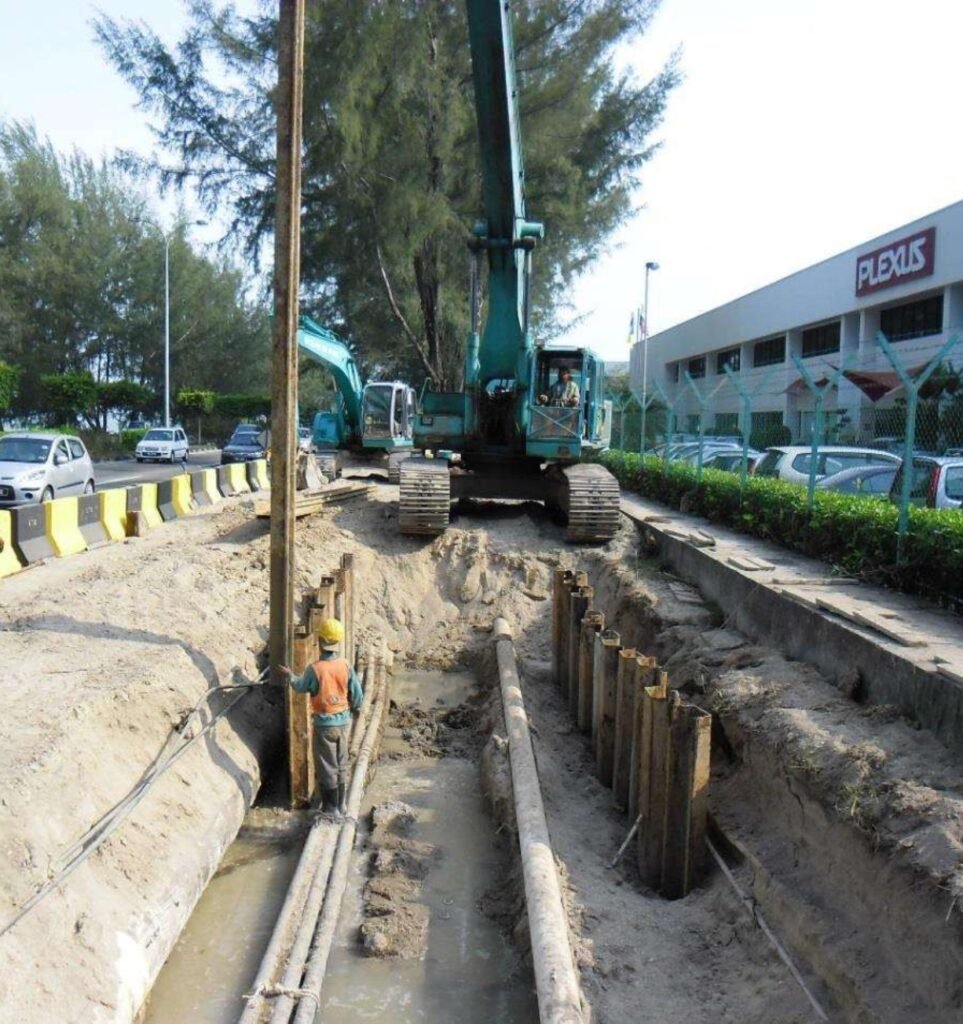
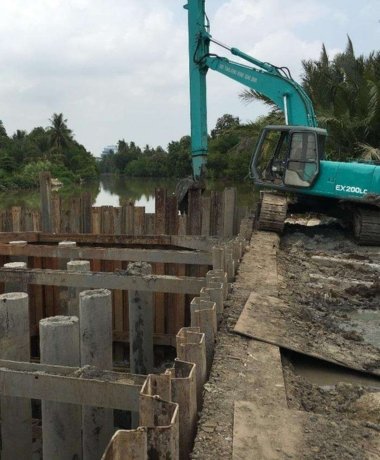
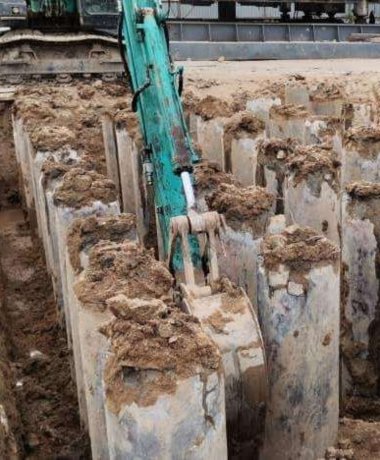
Sheet pile installation and extraction
Excavation works to required depth and profile
Bracing works to strengthen excavation stability
Coordination with pipe laying, pile cutting, and infrastructure works
All works are executed based on approved drawings, site conditions, and construction sequencing.
Sheet Piling Works
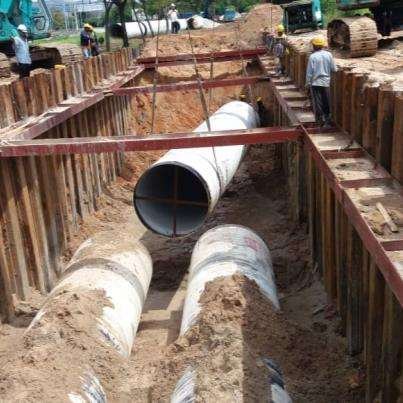
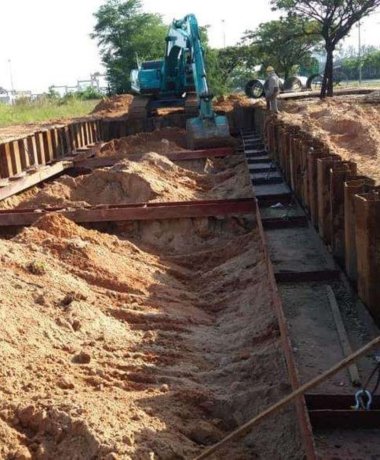
Sheet piling works are carried out to provide temporary or permanent earth retaining systems during excavation. These systems help to prevent soil movement and maintain stability of surrounding ground and structures.
Types of Sheet Piles
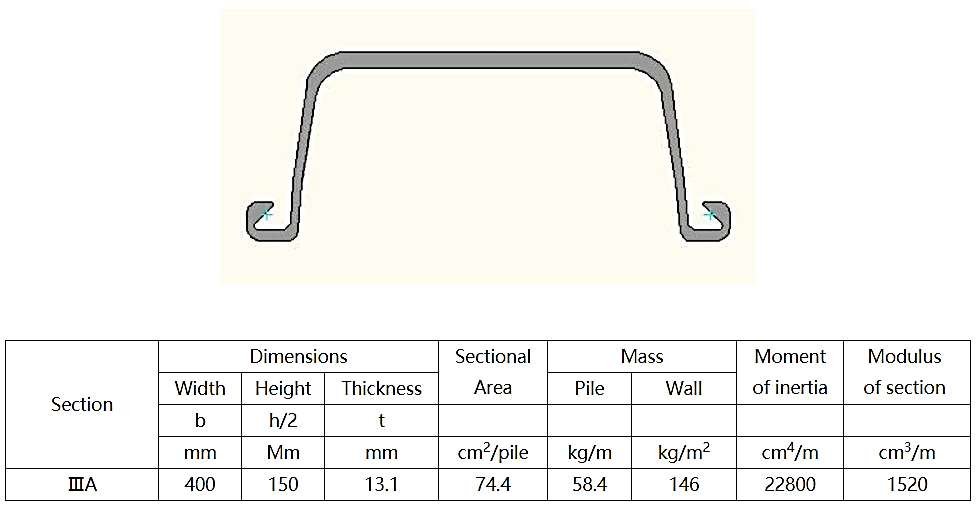
Temporary Sheet Piles (e.g. FSP IIIA)
Common Sheet Pile Lengths Available
3.00 meters
6.00 meters
9.00 meters
12.00 meters
Sheet pile installation methods and equipment selection are determined based on ground conditions and site constraints.
Bracing Works
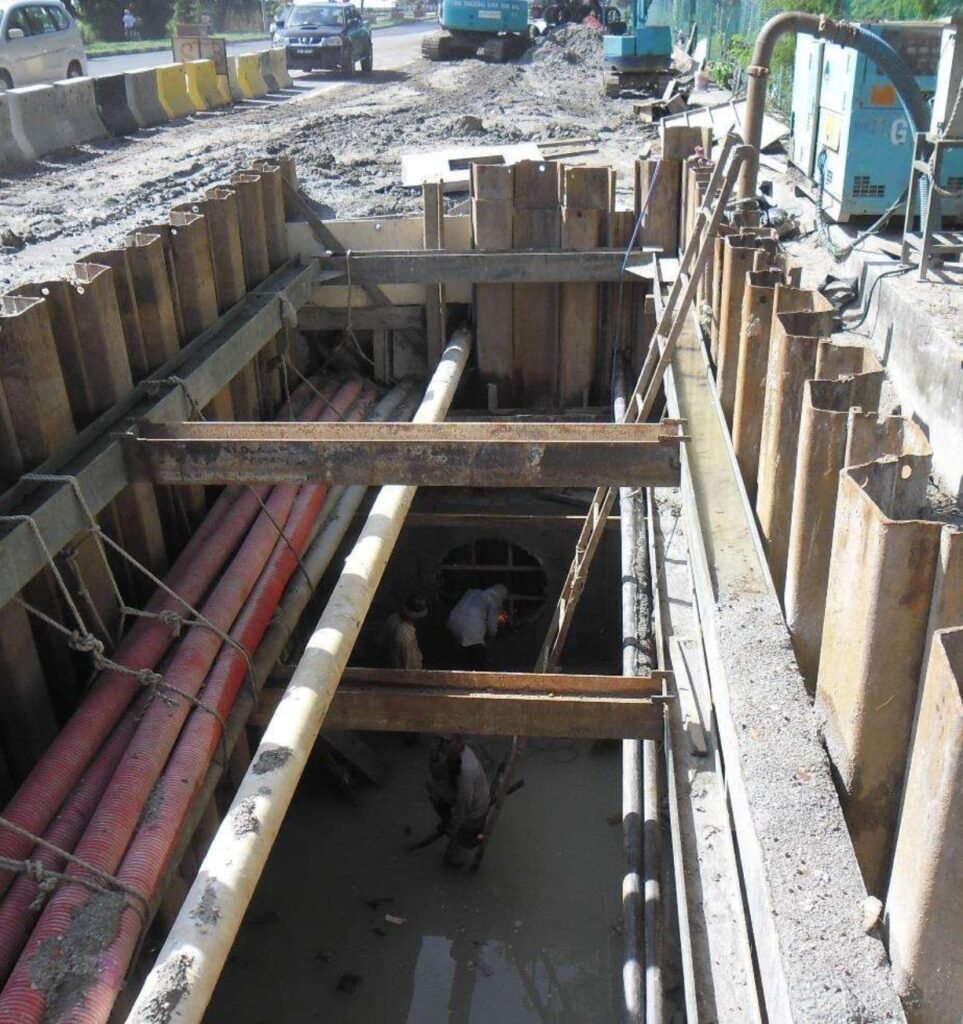
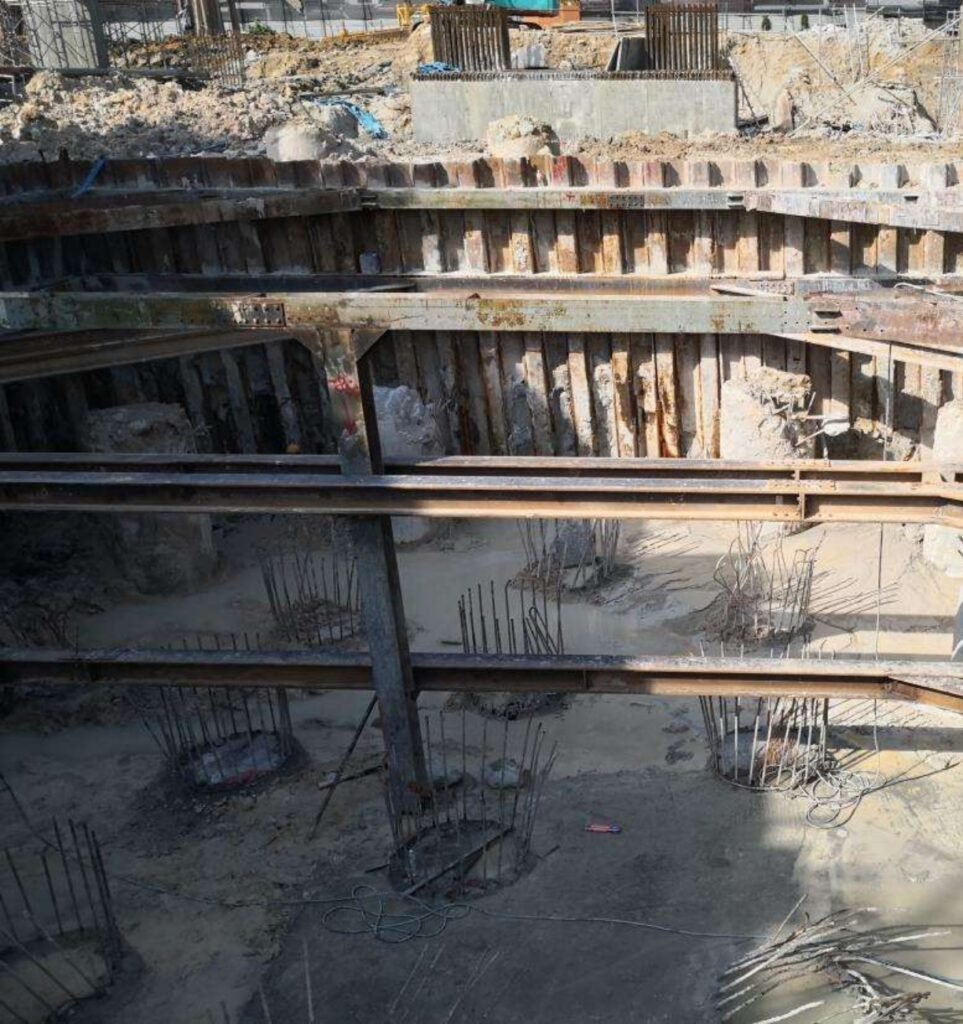
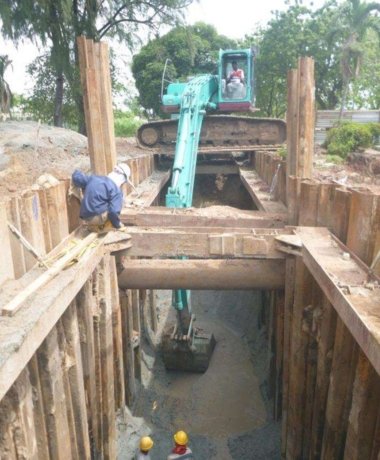
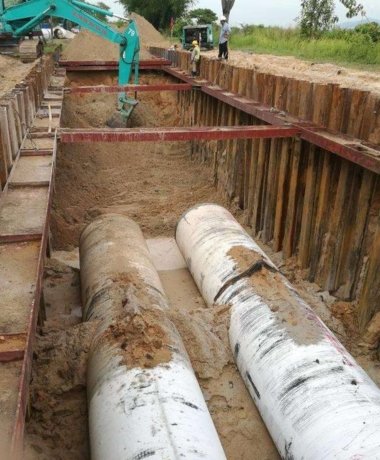
Bracing works are implemented where required to strengthen the overall stability of excavation works, particularly for deep excavations.
Bracing systems are designed and installed to:
Control lateral soil movement
Maintain excavation integrity
Provide a safe working environment
Common Bracing Materials
H-Beams
I-Beams
Selection of bracing systems is coordinated with excavation depth and project requirements.
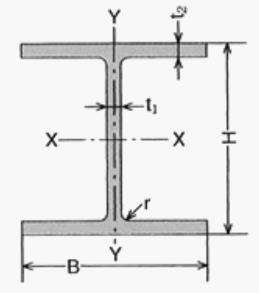
Common Size of H-Beams Available for Bracing Works
Classification (H × B)
Standard cross-section dimensions (mm)
Cross-sectional area (cm²)
Unit mass (kg/m)
Second moment of area (cm⁴)
Radius of gyration (cm)
Section modulus (cm³)
H × B
t₁
t₂
r
Ix
Iy
ix
iy
Zx
Zy
250 × 250
*244 × 252
11
11
13
81.31
63.8
8,700
2,940
10.30
6.01
713.0
233.0
250 × 250
9
14
13
91.43
71.8
10,700
3,650
10.80
6.32
860.0
292.0
*250 × 255
14
14
13
103.9
81.6
11,400
3,880
10.50
6.11
912.0
304.0
Classification (H × B)
Standard cross-section dimensions (mm)
Cross-sectional area (cm²)
Unit mass (kg/m)
Second moment of area (cm⁴)
Radius of gyration (cm)
Section modulus (cm³)
H × B
t₁
t₂
r
Ix
Iy
ix
iy
Zx
Zy
300 × 300
*294 × 302
12
12
13
106.3
83.4
16,600
5,510
12.50
7.20
1,130.0
365.0
300 × 300
10
15
13
118.5
93.0
20,200
6,750
13.10
7.55
1,350.0
450.0
*300 × 305
15
15
13
133.4
105.0
21,300
7,100
12.60
7.30
1,420.0
466.0
Classification (H × B)
Standard cross-section dimensions (mm)
Cross-sectional area (cm²)
Unit mass (kg/m)
Second moment of area (cm⁴)
Radius of gyration (cm)
Section modulus (cm³)
H × B
t₁
t₂
r
Ix
Iy
ix
iy
Zx
Zy
350 × 350
*344 × 348
10
16
13
144.0
113.0
32,800
11,200
15.10
8.84
1,910.0
646.0
*344 × 354
16
16
13
164.6
129.0
34,900
11,800
14.60
8.48
2,030.0
669.0
350 × 350
12
19
13
171.9
135.0
39,800
13,600
15.20
8.89
2,280.0
776.0
Classification (H × B)
Standard cross-section dimensions (mm)
Cross-sectional area (cm²)
Unit mass (kg/m)
Second moment of area (cm⁴)
Radius of gyration (cm)
Section modulus (cm³)
H × B
t₁
t₂
r
Ix
Iy
ix
iy
Zx
Zy
400 × 400
400 × 400
13
21
22
218.7
172.0
66,600
22,400
17.50
10.10
3,330.0
1,120.0
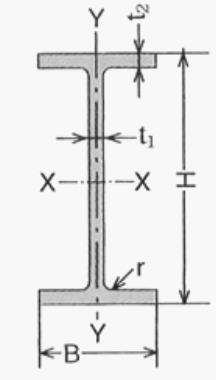
Common Size of I-Beams Available for Bracing Works
Classification (H × Flange width)
Standard cross-section dimensions (mm)
Cross-sectional area (cm²)
Unit mass (kg/m)
Second moment of area (cm⁴)
Radius of gyration (cm)
Section modulus (cm³)
H × B
t₁
t₂
r
Ix
Iy
ix
iy
Zx
Zy
500 × 200
496 × 199
9
14
13
99.29
77.9
40,800
1,840
20.30
4.31
1,650
185.0
500 × 200
10
16
13
112.30
88.2
46,800
2,140
20.40
4.36
1,870
214.0
*506 × 201
11
19
13
129.30
102.0
55,500
2,580
20.70
4.46
2,190
256.0
Classification (H × Flange width)
Standard cross-section dimensions (mm)
Cross-sectional area (cm²)
Unit mass (kg/m)
Second moment of area (cm⁴)
Radius of gyration (cm)
Section modulus (cm³)
H × B
t₁
t₂
r
Ix
Iy
ix
iy
Zx
Zy
600 × 200
596 × 199
10
15
13
117.80
92.5
66,600
1,980
23.80
4.10
2,240
199.0
600 × 200
11
17
13
131.70
103.0
75,600
2,270
24.00
4.16
2,520
227.0
*606 × 201
12
20
13
149.80
118.0
88,300
2,720
24.30
4.26
2,910
270.0
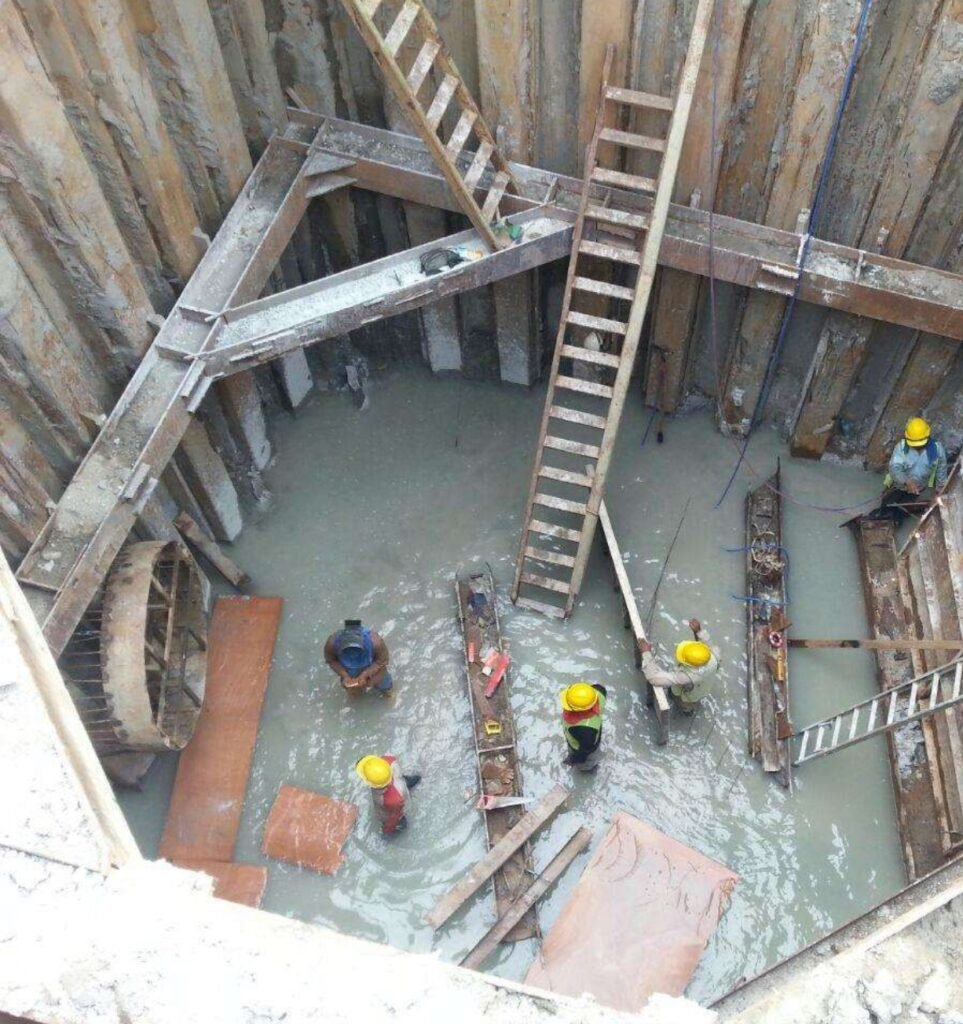
Deep Excavation Works
Deep excavation works are carried out to facilitate underground construction activities, including but not limited to:
Pipe laying works
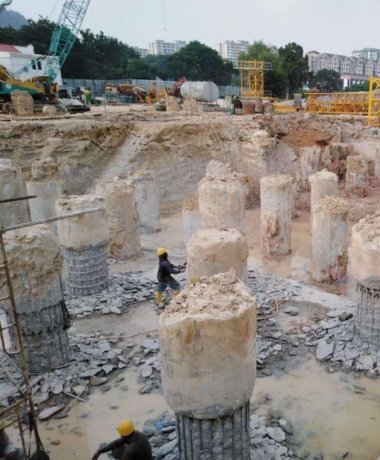
Pile cap and pile cutting works
Infrastructure and foundation works
Excavation is executed in a controlled manner to achieve required levels while maintaining ground stability and site safety.
Methodology & Execution
The general execution sequence for sheet piling, bracing, and deep excavation works
1. Drawing Review & Site Inspection
Conduct a thorough review of construction drawings and perform a physical site inspection to identify existing utilities and ground constraints.
2. Resource Planning
Determine the appropriate sheet piling types, bracing materials, and machinery required based on the specific site conditions.
3. Sheet Pile Installation
Install temporary or permanent sheet piles to create a stable perimeter for the excavation area.
4. Systematic Excavation
Perform excavation works in controlled stages until the designated design depth is safely achieved.
5. Bracing Implementation
Install H-beam or I-beam bracing systems where necessary to counteract lateral soil pressure and maintain integrity.
6. Activity Coordination
Liaise with subsequent trades to facilitate pipe laying, foundation works, or other underground construction activities within the stabilized zone.
Sheet piling works are used to provide earth retention during excavation. They help to prevent soil movement, maintain ground stability, and protect surrounding areas during underground construction works.
Bracing is required when excavation depth or ground conditions may affect stability. Bracing systems help to strengthen the excavation and control lateral soil pressure, especially for deep excavations.
Sheet piling and bracing works are generally temporary and are installed to support excavation during construction. They may be removed after completion of the required works, depending on project requirements and design.
Excavation stability is maintained through proper planning, suitable sheet piling and bracing systems, controlled excavation methods, and close monitoring throughout the work process.
Excavation works are planned and executed in coordination with other site activities such as pipe laying, pile cutting, and foundation works to ensure smooth project progression.